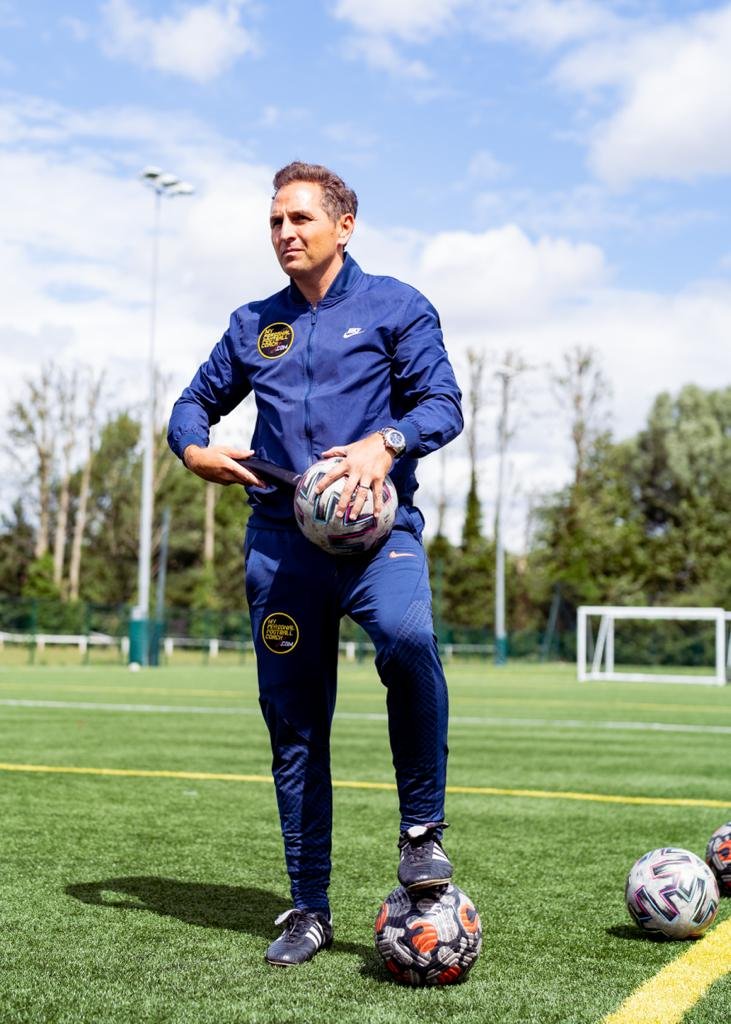
To win Olympic medals, India needs to develop world-class coaches. It should also establish world-class sports convention centers, sports universities, and Olympic-standard infrastructure countrywide.
India already has some very good coaches in several sports, supporting Olympic coach development India.
For example, in badminton, Mr. Pullela Gopichand is a well-known coach.
India also has strong coaching expertise in lawn tennis, shooting, javelin throw, boxing, and marathon.
There are many other sports as well.
Nevertheless, to increase the number of high-quality coaches, India must enact major systemic changes in its Olympic sports ecosystem.
• Olympic-medal-winning countries benefit greatly from their coaches, but medals are not won through coaching alone.
Behind Olympic success is a complete system involving athlete selection, coaching, sports science, technology, and nutrition.
Furthermore, this system, including Olympic coach development India, also includes medical support, the competition system, funding, and long-term planning.
• The United States, China, Australia, and Japan have developed different approaches to coach development. A detailed comparison is given below.
🏅 How Are Olympic-Level Coaches Developed?
1. United States – Athlete-centered + Professional Coaching System
The United States Olympic & Paralympic Committee (USOPC) treats coaching development as a professional field.
USOPC’s Quality Coaching Framework focuses on four important areas: Teach, Lead, Care, and Performance. It also emphasizes athlete-centered coaching, coach education, and certification. How the United States Develops Coaches
• Grassroots → School/College → National → Olympic pathway.
• Each sport has its own National Governing Body (NGB).
• Sport-specific education and certification are provided to coaches.
• Coaches are trained not only in sports techniques but also in:
• Sports Science
• Psychology
• Nutrition
• Strength & Conditioning
• Injury Prevention
• Athlete Communication
• Leadership
• Strong emphasis is placed on athlete-centered coaching.
• Attention is given to both the athlete’s physical and mental well-being.
• High-level coaches receive continuous education and professional development.
• USOPC provides coaches with research-based resources and coaching frameworks.
• Outstanding coaches are recognized through national-level awards such as Coach of the Year.
🇺🇸 Main Advantage of the American System
“Develop a good coach along with developing a good athlete.”
A good coach can therefore help develop many athletes in the next generation.
2. China – State-Supported Elite Coach System
• China has significant government and national sports-system involvement in high-performance sports.
Research on China’s coaching system broadly identifies two major streams: the elite sport system and the school sport system. China also has skill/grade-based systems and continuing education for coaches.
China’s Athlete Development System
• Identify athletes at a young age.
• Talent identification through schools and local sports schools.
• Send talented athletes to specialized training centers.
• Develop a skill/grade-based career structure for coaches.
• Experienced coaches train new coaches.
• Conduct national-level coaching camps.
• Provide international competition experience.
• Conduct regular performance evaluations.
• Use sports science along with technical skills.
• Provide continuing education for coaches.
• Use coaches with Olympic and World Championship-level experience.
What Is Special About China?
• Talent Identification → Sports School → Provincial Team → National Team → Olympic Team
A long-term pipeline is developed.
Benefits
• Athletes are not prepared suddenly for a four-year Olympic cycle.
• Their development takes place through a long-term program lasting many years.
3. Australia – Coach Apprenticeship + Sports Science
• Australia’s Australian Institute of Sport (AIS) uses a structured system for coach development.
• The current National Generation 2032 Coach Program provides emerging and early-career high-performance coaches with a two-year immersive development program. They work under the guidance of experienced technical coaches in actual high-performance environments.
Australia’s Coaching Model
Coach Apprentice Model
New Coach → Work under an Experienced Coach → Gain Experience → Evaluation → High-Performance Coach
Key Features
• Selection of young/early-career coaches.
• Mentoring from experienced technical coaches.
• Practical work in a high-performance environment.
• Leadership training.
• Communication skills.
• Athlete development.
• Performance analysis.
• Decision-making.
• Problem-solving.
• Coach well-being.
• Continuous professional development.
According to AIS, developing excellent coaches requires long-term practical coaching experience, exposure to different competition environments, reflection, continuous learning, and adaptation to individual athletes.
Australian Sports Commission
Importance of the Gen 32 Program
• The program was launched in 2022.
• AIS states that it has supported 59 coaches across two cohorts so far.
🇦🇺 Main Lesson from Australia
“Do not develop coaches only in the classroom; allow them to work in an Olympic-level environment.”
4. Japan – Technical Excellence + Discipline + Mentoring
Japan places significant emphasis on high-performance coaching development through the Japanese Olympic Committee (JOC).
The JOC’s National Coach Academy aims to develop elite coaches and support staff capable of preparing athletes for Olympic-level international competitions.
The program includes:
• Knowledge development
• Presentations
• Dialogue
• Information exchange
• Follow-up
Japan’s Coaching System
• Strong emphasis on technical knowledge.
• Mentoring of junior coaches by experienced coaches.
• Discipline and training consistency.
• Strong athlete-coach relationship.
• Detailed performance analysis.
• International competition experience.
• Use of the National Training Center.
• Advanced coaching education through the Coach Academy.
• Development of Coaching Directors.
• Follow-up after completion of the program.
Main Lesson from Japan
“Identify small technical errors in sports and continuously improve them.”
🏆 Comparison of the Four Countries
| Area | 🇺🇸 USA | 🇨🇳 China | 🇦🇺 Australia | 🇯🇵 Japan |
|---|---|---|---|---|
| Coach Education | Highly developed | Grade/System based | Structured | Academy based |
| Mentoring | Strong | Strong | Very strong | Strong |
| Sports Science | Strong | Strong | Strong | Strong |
| Government Role | Moderate | Very strong | Structured institutional support | National system |
| Practical Coaching | Strong | Strong | Very strong | Strong |
| Continuous Learning | Strong | Strong | Very strong | Strong |
| Olympic Preparation | NGB + USOPC | National System | AIS + NSO | JOC + National System |
🧠 How Does a Coach Contribute to Olympic Performance?
When developing an Olympic athlete, the head coach’s job is not limited to giving instructions on the field.
1. Talent Identification
• Identify the right athlete.
• Understand the athlete’s potential.
2. Technical Development
• Improve technique.
• Use biomechanics.
• Analyze every movement.
3. Training Planning
• Daily training.
• Weekly training.
• Monthly training.
• Olympic-cycle planning.
4. Performance Analysis
• Video analysis.
• Opponent analysis.
• GPS/data analysis.
• Competition statistics.
5. Physical Preparation
• Strength.
• Speed.
• Endurance.
• Power.
• Flexibility.
6. Mental Preparation
• Pressure handling.
• Concentration.
• Confidence.
• Competition-anxiety management.
7. Nutrition Coordination
• Coordinate with a dietitian.
• Develop nutrition plans according to training and competition requirements.
8. Injury Prevention
• Coordinate with sports doctors and physiotherapists.
• Manage training loads.
9. Competition Strategy
• Opponent analysis.
• Tactical planning.
• Match strategy.
• Decision-making according to the situation.
10. Athlete Management
• Sleep.
• Recovery.
• Travel.
• Stress.
• Motivation.
• Team communication.
🥇 An Olympic Coach Is Not a Single Person
This is particularly important to understand.
In modern Olympic sport, a complete team works together:
Head Coach + Assistant Coach + Strength Coach + Physiotherapist + Sports Scientist + Doctor + Nutritionist + Psychologist + Performance Analyst
Example:
Athlete
⬇️
Head Coach
⬇️
Assistant Coach
⬇️
Strength & Conditioning Coach
⬇️
Sports Scientist
⬇️
Sports Psychologist
⬇️
Physiotherapist
⬇️
Sports Doctor
⬇️
Nutritionist
⬇️
Performance Analyst
This complete team helps the athlete reach peak performance.
🇮🇳 What Should India Learn?
• If India wants to significantly increase its Olympic medal tally, it is not enough to simply “develop athletes.” India should also make “developing Olympic-level coaches” a national mission.
🇮🇳 Proposed Indian Olympic Coach Development Model
🟢 Level 1 – Grassroots Coach
6–12 months
• Basic coaching
• Child development
• Rules
• Safety
• Basic fitness
• Communication
🟡 Level 2 – Development Coach
1–2 years
• Advanced technique
• Talent identification
• Sports psychology
• Basic nutrition
• Video analysis
🟠 Level 3 – High-Performance Coach
2–3 years
• Advanced sports science
• Performance analysis
• Strength & conditioning
• Tactical development
• International competition
🔴 Level 4 – Elite/Olympic Coach
3–5+ years
• International experience
• Olympic preparation
• Athlete management
• Advanced technology
• Research
• International exposure
• Mentoring under world-class coaches
🇮🇳 Most Important Idea for India
India could consider establishing a “National Coach Development Academy” for every Olympic sport.
It could include:
🏟️ World-class training facilities
🎓 Sports Coaching University/Academy
🔬 Sports Science Laboratory
🧠 Sports Psychology Center
🥗 Sports Nutrition Center
🩺 Sports Medicine Center
📹 Video & Performance Analysis Lab
🤖 AI-based Performance Analysis
🌍 International Coach Exchange Program
👨🏫 Master Coach Mentoring Program
🏅 Former Olympians as Coach Mentors
📚 Continuous Coach Education
📊 Annual Coach Performance Review
⭐ Key Takeaway
The United States emphasizes professionalization and athlete-centered coaching.
China uses a long-term elite pipeline, structured coach grading, and a national sports system.
Australia emphasizes mentoring, apprenticeship, and practical experience in high-performance environments.
Japan develops elite coaches through a National Coach Academy, technical excellence, knowledge sharing, and follow-up.
🇮🇳 Ideal Formula for India
Talent Identification
⬇️
Good Coach
⬇️
Advanced Coach Education
⬇️
Master Coach Mentoring
⬇️
Sports Science + Technology
⬇️
International Exposure
⬇️
High-Performance Training
⬇️
Olympic Coach
⬇️
🏅 Olympic Medal
In other words, an Olympic medal is not simply the result of an individual athlete; it is the outcome of an entire coaching and high-performance system.